 Skills Required for Housekeeping Workers in the Netherlands
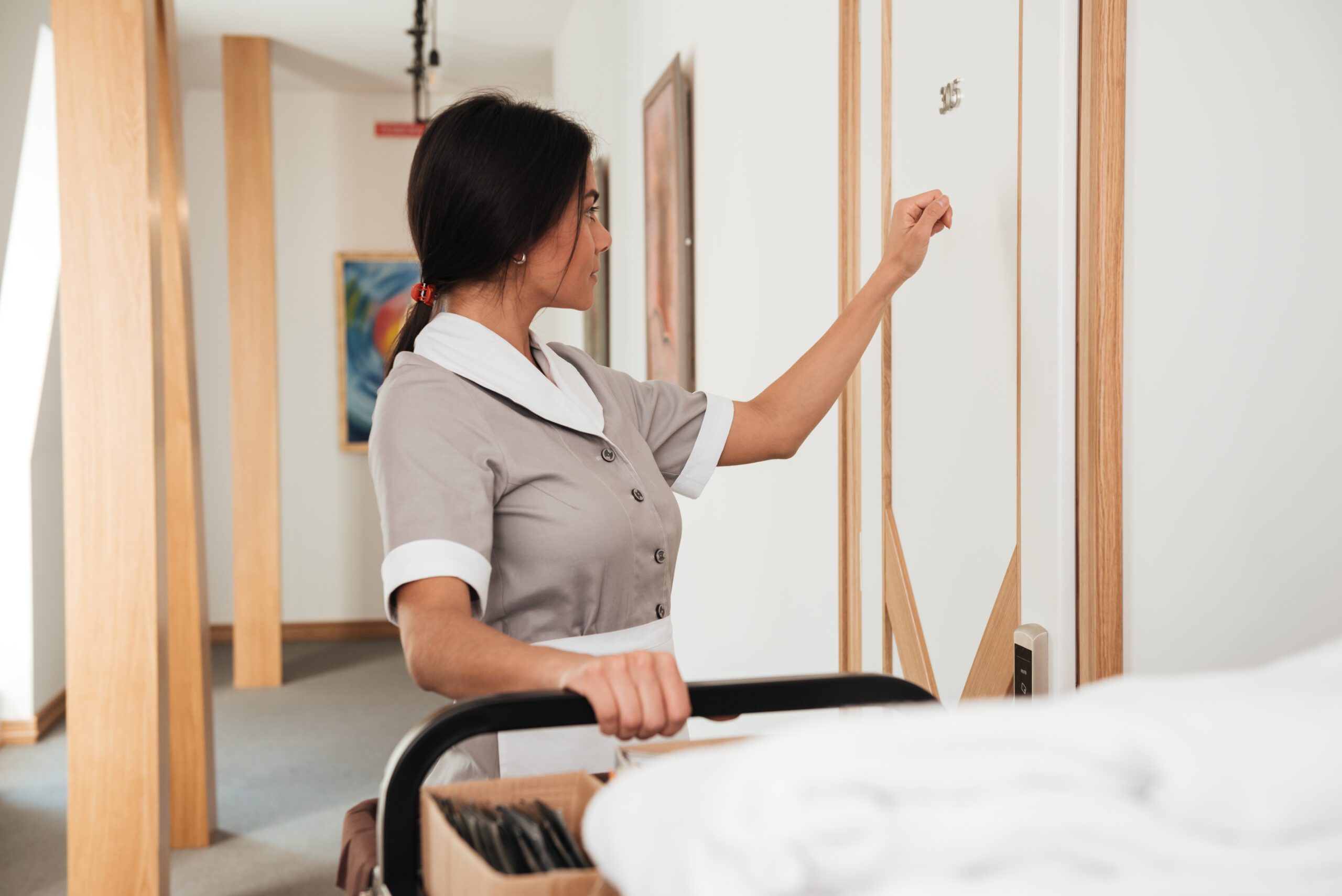
Working as a housekeeping staff member in the hospitality industry requires more than just the ability to clean rooms. In countries with a strong tourism and hospitality sector such as the Netherlands, housekeeping employees are expected to demonstrate professionalism, efficiency, and strong service skills. Hotels, resorts, and serviced apartments rely heavily on housekeeping teams to maintain cleanliness, comfort, and a welcoming atmosphere for guests.
For individuals interested in working in housekeeping in cities like Amsterdam, Rotterdam, or The Hague, understanding the key skills required for the job is essential. These skills not only help workers perform their duties effectively but also increase their chances of being hired by international hotels and cleaning companies.
Below are the most important skills that housekeeping workers in the Netherlands should possess.
1. Attention to Detail
One of the most critical skills for housekeeping staff is strong attention to detail. Guests expect hotel rooms, bathrooms, and common areas to be spotless and well organized. Small details such as properly folded towels, neatly made beds, and dust-free furniture can significantly affect a guest’s experience.
Housekeepers must carefully inspect every part of the room, including areas that guests might not immediately notice, such as under beds, behind curtains, and inside wardrobes. Employers in the Netherlands place great importance on cleanliness standards, so workers must be meticulous and consistent in their work.
2. Time Management Skills
Housekeeping staff are usually responsible for cleaning multiple rooms within a limited timeframe. Therefore, good time management is essential.
Workers must learn how to prioritize tasks, clean efficiently, and complete assignments within the schedule set by supervisors. For example, a housekeeper in a busy hotel in Amsterdam might need to clean 12 to 20 rooms per shift depending on the hotel’s size and occupancy rate.
Being able to maintain quality while working quickly is a valuable skill in the housekeeping profession.
3. Physical Stamina and Strength
Housekeeping work is physically demanding. Workers spend long hours standing, bending, lifting, pushing carts, and moving furniture. Physical stamina is necessary to maintain productivity throughout the entire shift.
In many hotels across the Netherlands, housekeeping shifts can last 6 to 8 hours or more, depending on the workload. Employees must be physically prepared to handle repetitive tasks such as vacuuming, changing bed linens, and cleaning bathrooms.
4. Knowledge of Cleaning Techniques
Professional housekeeping requires proper knowledge of cleaning techniques and the correct use of cleaning chemicals. Workers must understand how to clean different surfaces safely, including glass, wood, marble, and fabric.
Hotels in cities such as Rotterdam and Utrecht often provide training programs to teach employees how to use disinfectants, vacuum machines, floor polishers, and laundry equipment effectively.
Proper cleaning techniques help maintain hygiene standards and prevent damage to hotel property.
5. Communication Skills
Even though housekeeping is primarily a behind-the-scenes role, communication skills are still very important. Workers need to communicate with supervisors, maintenance staff, and sometimes with hotel guests.
Basic English communication is often required in international hotels, especially in tourist destinations like Amsterdam. In some workplaces, basic Dutch language skills can also be beneficial.
Good communication ensures that requests, maintenance issues, and guest needs are handled quickly and professionally.
6. Reliability and Work Discipline
Employers in the Netherlands value reliability and punctuality. Housekeeping staff must arrive on time, follow work schedules, and complete assigned tasks responsibly.
Hotels depend on housekeeping teams to prepare rooms for new guests before check-in time. If staff members fail to perform their duties on time, it can affect hotel operations and guest satisfaction.
Workers who demonstrate discipline and reliability often receive better job opportunities and long-term contracts.
7. Customer Service Awareness
Even though housekeepers do not always interact directly with guests, they are still part of the overall guest experience. A friendly attitude, politeness, and respect toward guests are essential.
For example, when encountering guests in hallways or public areas, housekeepers should greet them politely and maintain a professional demeanor. Hospitality culture in the Netherlands strongly emphasizes customer satisfaction.
Employees who understand customer service principles often stand out and may receive promotions within the hospitality industry.
8. Teamwork Ability
Housekeeping staff rarely work alone. They are usually part of a larger team responsible for maintaining the entire hotel or property.
Teamwork is crucial to ensure smooth operations. Workers must support each other, share responsibilities, and cooperate with other departments such as reception, maintenance, and laundry services.
Hotels in large tourist areas like Amsterdam and The Hague rely on strong teamwork among staff to manage high guest volumes.
9. Adaptability and Flexibility
The hospitality industry can be unpredictable. Some days may be extremely busy, while others may be quieter. Housekeeping staff must be flexible and adaptable to changing workloads.
Workers may also be asked to assist in different areas, such as public area cleaning, laundry, or special room preparation for VIP guests.
Being adaptable makes employees more valuable to employers and increases job security.
Conclusion
Housekeeping workers play a vital role in maintaining cleanliness and comfort in the hospitality industry. In the Netherlands, employers expect housekeeping staff to possess a combination of technical skills, physical ability, and professional attitudes.
Key skills such as attention to detail, time management, physical stamina, communication skills, and teamwork are essential for success in this field. For individuals planning to work in major Dutch cities like Amsterdam, Rotterdam, and Utrecht, developing these skills will greatly improve their chances of finding stable employment in hotels, resorts, and cleaning service companies.
With the right skills and dedication, housekeeping can become a stable and rewarding career in the growing hospitality industry of the Netherlands.