The Netherlands may be a relatively small country, but it is one of the world’s leading agricultural producers thanks to its advanced farming technology and efficient land use. When people think about Dutch agriculture, they often imagine colorful flower fields and iconic windmills—but the country’s plantations and agricultural sectors are far more diverse. Below is an in-depth look at the main types of plantations and cultivated crops you can find in the Netherlands.
1. Flower Plantations (Floriculture)
One of the most famous agricultural sectors in the Netherlands is floriculture. The country is globally recognized as the largest exporter of flowers and flower bulbs.
A must-visit location is Keukenhof Gardens, often called the “Garden of Europe.” Every spring, millions of tulips bloom here, showcasing the beauty and diversity of Dutch flower cultivation.
The most common flowers grown include:
- Tulips
- Roses
- Lilies
- Daffodils
In addition to outdoor fields, many flowers are cultivated in high-tech greenhouses, allowing year-round production and export.
2. Vegetable Plantations
The Netherlands is also a global leader in vegetable production, especially through greenhouse farming. Advanced hydroponic systems and climate-controlled environments make Dutch vegetables highly efficient and sustainable.
Key vegetables grown include:
- Tomatoes
- Cucumbers
- Bell peppers
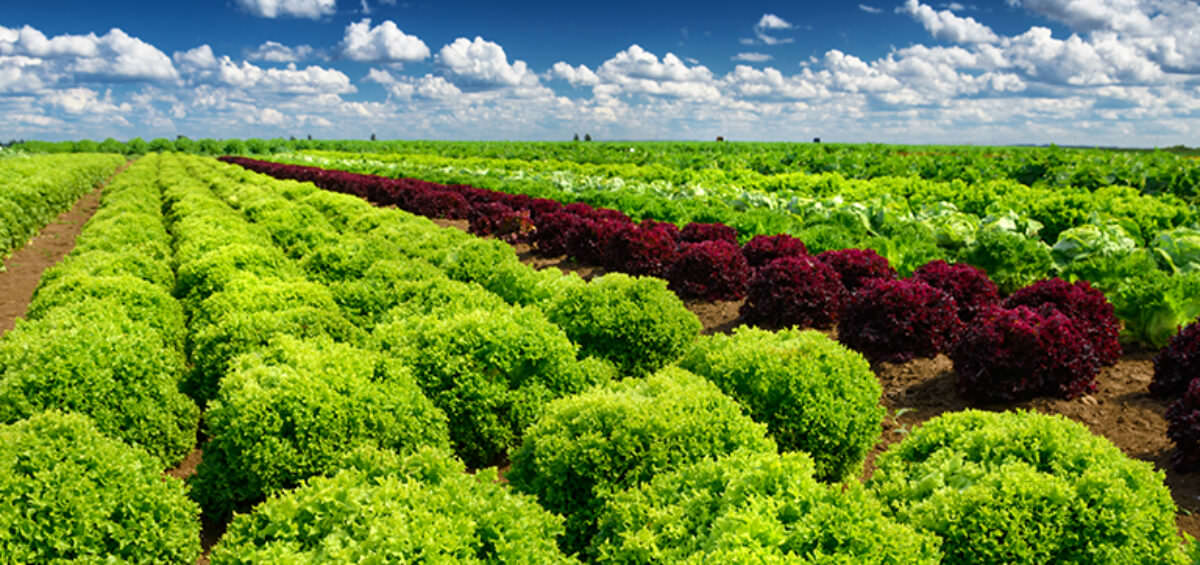
- Lettuce
Regions such as Westland are known as the “glass city” because of the vast number of greenhouses covering the landscape.
3. Fruit Orchards
Fruit plantations are another important part of Dutch agriculture. Although the climate is temperate, it is well-suited for certain fruits.
Common fruits grown include:
- Apples
- Pears
- Strawberries
- Cherries
A well-known fruit-growing region is Betuwe, often referred to as the fruit garden of the Netherlands. During spring, the blooming orchards attract many visitors.
4. Potato and Field Crop Plantations
The Netherlands is one of the largest exporters of potatoes in the world. Potatoes are a staple crop and are widely used in both domestic cuisine and international food industries.
Other important field crops include:
- Sugar beets
- Onions
- Carrots
- Wheat and barley
Dutch farmers use modern machinery and precision farming techniques to maximize yields on limited land.
5. Dairy and Grassland Farming
While not plantations in the traditional sense, large areas of agricultural land in the Netherlands are dedicated to grasslands for dairy farming. The country is famous for its high-quality milk and cheese production.
Popular Dutch cheeses include:
- Gouda
- Edam
These products are exported worldwide, making dairy one of the key pillars of Dutch agriculture.
6. Greenhouse and Innovative Farming
One of the most unique aspects of Dutch agriculture is its innovation. Much of the country’s “plantations” are actually high-tech greenhouses rather than open fields.
These facilities use:
- Artificial lighting
- Automated irrigation systems
- Climate control technology
This allows farmers to grow crops efficiently with minimal water usage and reduced environmental impact.
Conclusion
Agriculture in the Netherlands is a fascinating blend of tradition and innovation. From the colorful tulip fields of Keukenhof Gardens to the high-tech greenhouses of Westland and the fruit orchards of Betuwe, the country demonstrates how modern farming can thrive even in a small area.
The Netherlands proves that with advanced technology, sustainability practices, and efficient land management, agriculture can be both productive and environmentally responsible.