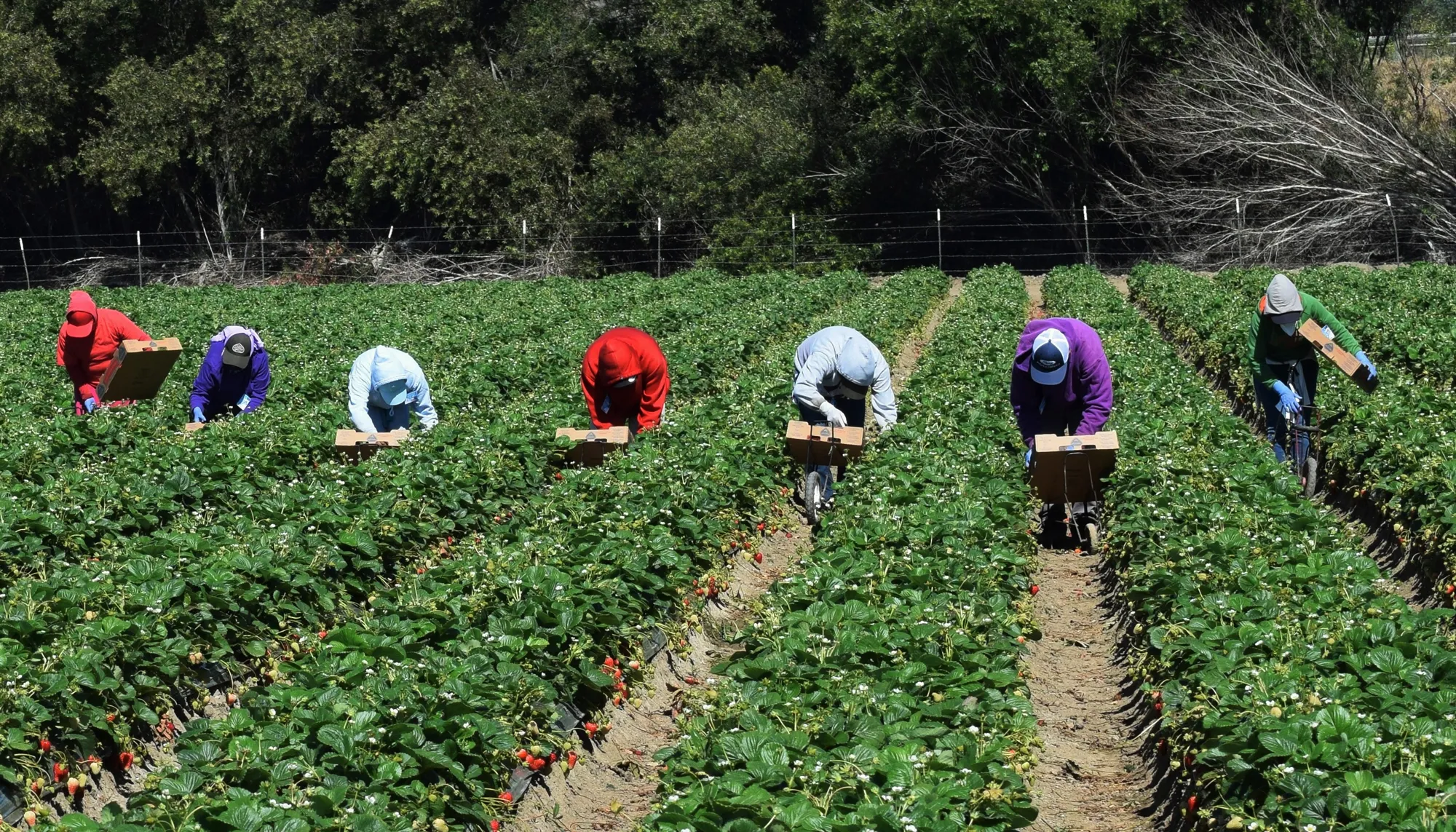
Essential Skills for Garden and Farm Workers in the Netherlands
The Netherlands is widely known for its advanced agricultural systems, beautiful flower fields, and highly efficient horticulture industry. From vast tulip farms to modern greenhouses, the country offers many job opportunities for garden and farm workers. However, working in this sector requires more than just physical strength. To succeed and grow in this field, workers must develop a combination of practical, technical, and interpersonal skills.
This article explores the essential skills that garden and farm workers in the Netherlands should have to perform effectively and build a successful career.
1. Basic Agricultural Knowledge
One of the most important skills for any garden or farm worker is a basic understanding of agriculture. Workers should know how plants grow, what they need to thrive, and how to care for them properly. This includes:
- Understanding soil types and fertility
- Knowing how to plant seeds and seedlings
- Recognizing proper watering techniques
- Identifying seasonal planting cycles
In the Netherlands, where agriculture is highly organized and efficient, having this knowledge helps workers perform tasks more accurately and efficiently.
2. Physical Stamina and Strength
Garden and farm work can be physically demanding. Workers often spend long hours standing, bending, lifting, and working outdoors in different weather conditions. Therefore, physical fitness is essential.
Key physical abilities include:
- Lifting heavy objects such as soil bags or crates
- Working for extended hours in greenhouses or fields
- Maintaining endurance during repetitive tasks
Without good stamina, it can be difficult to keep up with the daily workload.
3. Attention to Detail
In agriculture, small mistakes can lead to big losses. For example, overwatering plants or missing signs of disease can damage crops. That’s why attention to detail is a crucial skill.
Workers must be able to:
- Notice early signs of plant diseases or pests
- Follow planting instructions carefully
- Maintain consistency in tasks such as spacing plants or harvesting
Being detail-oriented ensures higher quality crops and better productivity.
4. Knowledge of Tools and Machinery
Modern farming in the Netherlands often involves the use of tools and machinery. Even in smaller gardens, workers need to know how to handle equipment properly.
Important skills include:
- Using hand tools like shovels, pruners, and hoes
- Operating basic machinery such as tractors or irrigation systems
- Performing simple maintenance and cleaning of tools
Learning how to use equipment safely can prevent accidents and improve efficiency.
5. Adaptability and Willingness to Learn
Agriculture is constantly evolving, especially in a technologically advanced country like the Netherlands. Workers must be open to learning new methods and adapting to changes.
Examples include:
- Learning greenhouse technology systems
- Understanding automated irrigation or climate control
- Adapting to new crops or farming techniques
Employers value workers who are flexible and willing to improve their skills over time.
6. Teamwork and Communication Skills
Farm and garden work often involves working in teams. Good communication helps ensure tasks are completed correctly and on time.
Workers should be able to:
- Follow instructions from supervisors
- Communicate clearly with coworkers
- Support team members when needed
In the Netherlands, basic English is often required, and sometimes Dutch language skills can be an advantage.
7. Time Management
Agricultural work is closely tied to schedules and timing. Plants must be watered, harvested, and cared for at the right time.
Good time management skills help workers:
- Complete tasks efficiently within working hours
- Prioritize urgent activities
- Avoid delays that could affect crop quality
Being punctual and organized is highly valued by employers.
8. Problem-Solving Skills
Unexpected problems can occur in farming, such as pest infestations, equipment issues, or weather changes. Workers who can think quickly and find solutions are very valuable.
Examples include:
- Identifying and responding to plant diseases
- Fixing minor equipment problems
- Adjusting work plans based on weather conditions
Problem-solving skills help maintain productivity even in difficult situations.
9. Awareness of Safety and Hygiene
Safety is very important in agricultural work. Workers must follow guidelines to protect themselves and the crops.
This includes:
- Using protective equipment when necessary
- Following safety procedures when handling tools or chemicals
- Maintaining cleanliness in work areas
Good hygiene is especially important in greenhouse and food production environments.
10. Basic Language Skills
Although not always mandatory, having basic communication skills in English or Dutch can greatly improve job opportunities.
Language skills help workers:
- Understand instructions clearly
- Communicate with supervisors and colleagues
- Avoid misunderstandings that could affect work quality
Many employers in the Netherlands prefer workers who can communicate effectively.