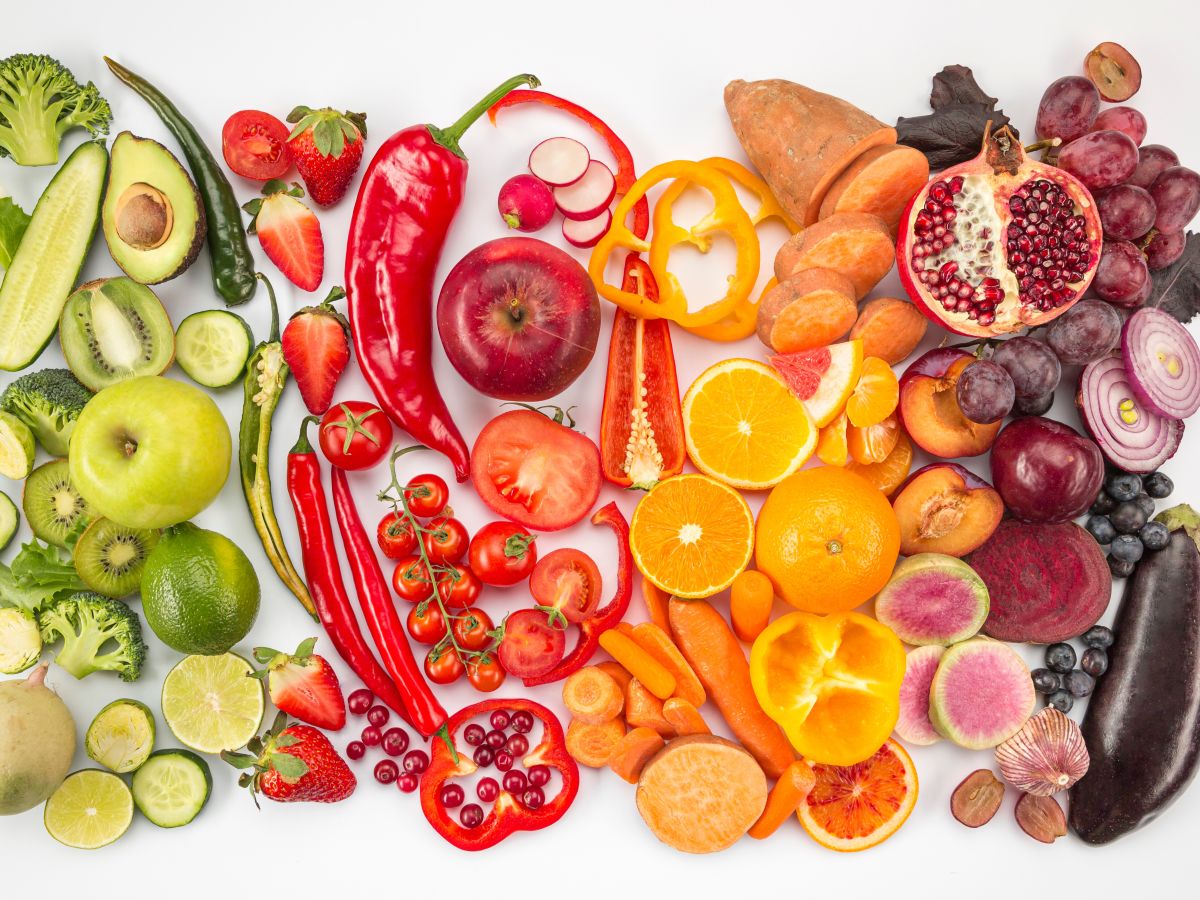
Fruits That Are in Season in the Netherlands
The Netherlands is well known for its fertile agricultural land and advanced farming techniques. Although the country has a temperate climate with relatively cool temperatures, Dutch farms produce a variety of fresh fruits throughout the year. Seasonal fruits are highly valued because they are fresher, more flavorful, and often cheaper than imported fruits. Eating fruits during their natural harvest season also supports local farmers and ensures better nutritional quality.
During the transition from late winter to early spring and early summer in the Netherlands, several fruits begin to appear in markets, supermarkets, and local farms. Some fruits are freshly harvested locally, while others are still available from winter storage. In this article, we will explore some of the fruits that are commonly in season in the Netherlands right now and explain why they are popular among residents and visitors.
1. Strawberries
Strawberries are one of the most beloved fruits in the Netherlands. As the weather begins to warm up, strawberry farms across the country start producing fresh, juicy berries. The Dutch strawberry season typically begins in early spring and continues through summer.
Local strawberries are often sweeter and more aromatic than imported ones. Many farms allow visitors to pick their own strawberries, which has become a popular family activity. Fresh strawberries are commonly used in desserts, cakes, smoothies, and traditional Dutch pastries.
They are also packed with vitamin C, antioxidants, and fiber, making them a healthy snack choice. During the strawberry season, you can easily find them in supermarkets, farmers’ markets, and roadside farm stands.
2. Apples
Apples are one of the most common fruits available in the Netherlands. Although apple harvesting mainly takes place in autumn, Dutch apples are stored carefully in controlled environments, allowing them to remain fresh for several months.
Popular Dutch apple varieties include Elstar, Jonagold, and Boskoop. These apples are widely sold in supermarkets and markets throughout the year. During late winter and early spring, apples from local storage are still widely available and considered part of the seasonal fruit supply.
Apples are extremely versatile and can be eaten fresh, baked into pies, or used to make applesauce and juice. The famous Dutch dessert apple pie (appeltaart) is one of the most popular ways to enjoy this fruit.
3. Pears
Pears are another fruit that remains widely available in the Netherlands during this time of year. Like apples, pears are harvested in autumn but stored carefully to maintain their freshness.
One of the most famous Dutch pear varieties is the Conference pear, which is known for its sweet flavor and soft texture. These pears are commonly used in desserts, fruit salads, and even savory dishes.
Pears are rich in fiber, vitamin C, and potassium. They are also easy to digest and provide a natural source of energy. In Dutch supermarkets and local markets, pears are often displayed alongside apples as a staple fruit choice.
4. Rhubarb
Although technically a vegetable, rhubarb is commonly treated as a fruit in cooking and desserts. Rhubarb season begins in early spring in the Netherlands, making it one of the first fresh harvests of the year.
Rhubarb has a distinctive sour flavor and is often combined with sugar to create delicious desserts such as pies, crumbles, and jams. Many Dutch households enjoy rhubarb compote served with yogurt or pancakes.
The bright red stalks of rhubarb also contain vitamins and minerals such as vitamin K and calcium. Because of its unique taste, it has become a traditional ingredient in many European spring recipes.
5. Blueberries
Blueberries are becoming increasingly popular in the Netherlands. Local farms have started cultivating more blueberries in recent years due to growing demand.
Although the peak blueberry season occurs in summer, some early varieties begin appearing in markets during late spring. Blueberries are widely appreciated for their sweet taste and impressive health benefits.
They are rich in antioxidants, vitamin C, and vitamin K. Many people add blueberries to breakfast cereals, yogurt, smoothies, or baked goods like muffins and pancakes.
Dutch consumers often prefer locally grown blueberries because they are fresher and more environmentally friendly compared to imported ones.
6. Cherries (Early Season)
Cherries are another fruit that starts appearing toward the end of spring in the Netherlands. Early varieties are harvested first, while the main cherry season occurs during the summer months.
Fresh Dutch cherries are known for their rich flavor and bright color. They are commonly eaten fresh, but they are also used in desserts, jams, and pastries.
Cherry picking is also a popular activity in rural areas of the Netherlands. Families and tourists often visit orchards to harvest cherries directly from the trees.
Cherries contain antioxidants and anti-inflammatory compounds, making them both delicious and healthy.
7. Imported Citrus Fruits
Even though citrus fruits are not grown locally in the Netherlands due to the climate, they are still widely available in markets during this time of year. Fruits such as oranges, mandarins, lemons, and grapefruits are imported mainly from Southern Europe.
Countries like Spain and Italy supply fresh citrus fruits to the Dutch market during the winter and early spring seasons. These fruits remain popular because they are rich in vitamin C and help support the immune system.
Many Dutch households use citrus fruits for juices, desserts, salads, and cooking.
Why Seasonal Fruits Are Important
Eating seasonal fruits offers several advantages. First, fruits harvested during their natural growing season usually taste better because they are allowed to ripen naturally on the plant.
Second, seasonal fruits are often cheaper because they are locally produced and do not require expensive transportation or storage. Supporting seasonal produce also helps local farmers and reduces environmental impact.
In the Netherlands, seasonal fruits are commonly sold in supermarkets, open-air markets, and small farm shops known as “boerderijwinkels.” These farm stores often offer the freshest fruits directly from local orchards and farms.