Essential Skills Every Chef in the Netherlands Must Have
The culinary industry in the Netherlands is dynamic, diverse, and highly competitive. From Michelin-starred restaurants to cozy cafés and international eateries, chefs in the Dutch food scene are expected to meet high standards of quality, creativity, and efficiency. Whether you are planning to work in Amsterdam, Rotterdam, or smaller cities, becoming a successful chef in the Netherlands requires a combination of technical expertise, soft skills, and cultural awareness.
In this article, we will explore the essential skills every chef in the Netherlands must have to succeed in this exciting profession.
1. Strong Culinary Techniques
At the core of being a chef is mastering fundamental cooking techniques. In the Netherlands, chefs are expected to have solid knowledge of:
- Knife skills (precision cutting, chopping, and slicing)
- Cooking methods (grilling, frying, roasting, steaming, sous-vide)
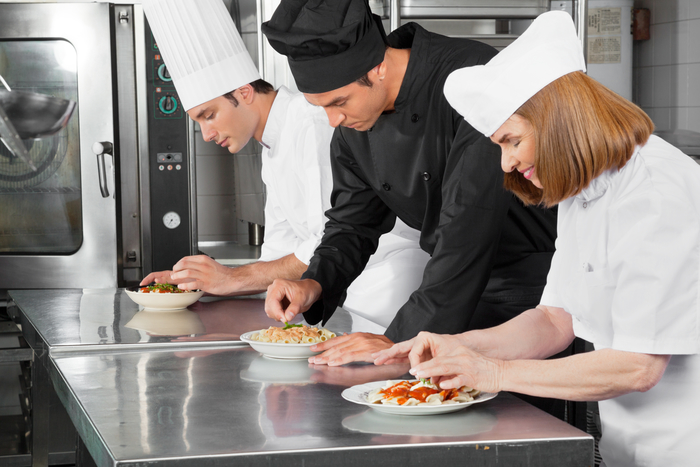
- Food preparation and plating
Dutch kitchens often emphasize consistency and presentation, so chefs must be able to produce high-quality dishes repeatedly.
2. Knowledge of International and Local Cuisine
The Netherlands is a multicultural country, and its culinary scene reflects that diversity. A good chef should understand:
- Traditional Dutch dishes (such as stamppot, haring, and bitterballen)
- International cuisines (Italian, Asian, Middle Eastern, etc.)
- Fusion cooking techniques
Being versatile allows chefs to adapt to different restaurant concepts and customer preferences.
3. Food Safety and Hygiene Standards
Strict food safety regulations are enforced in the Netherlands. Chefs must have knowledge of:
- HACCP (Hazard Analysis and Critical Control Points)
- Proper food storage and temperature control
- Cleanliness and sanitation practices
Maintaining hygiene is not only a legal requirement but also essential for customer safety and restaurant reputation.
4. Time Management and Efficiency
Kitchens in the Netherlands can be fast-paced, especially during peak hours. Chefs must:
- Work efficiently under pressure
- Manage multiple orders simultaneously
- Prioritize tasks effectively
Good time management ensures smooth kitchen operations and timely service.
5. Creativity and Innovation
Modern Dutch cuisine values creativity and innovation. Chefs are encouraged to:
- Experiment with new ingredients and flavors
- Present dishes in visually appealing ways
- Create unique menus that attract customers
Creativity helps chefs stand out in a competitive culinary market.
6. Teamwork and Communication Skills
A kitchen operates as a team, and communication is key. Chefs must:
- Coordinate with kitchen staff and waiters
- Follow instructions from head chefs or managers
- Communicate clearly during busy service times
Strong teamwork leads to better efficiency and a positive work environment.
7. Adaptability and Flexibility
Working in the Netherlands often means dealing with international teams and customers. Chefs should:
- Adapt to different kitchen cultures
- Be flexible with working hours (including weekends and holidays)
- Learn new cooking styles quickly
Adaptability is crucial in a constantly evolving industry.
8. Knowledge of Sustainability and Local Ingredients
Sustainability is highly valued in the Netherlands. Many restaurants focus on:
- Using locally sourced ingredients
- Reducing food waste
- Supporting sustainable farming practices
Chefs who understand sustainable cooking are highly sought after.
9. Basic Business and Cost Management Skills
In addition to cooking, chefs often need to understand the business side of the kitchen:
- Food cost control
- Inventory management
- Menu pricing
These skills are especially important for head chefs or those planning to open their own restaurant.
10. Language Skills (English and Dutch)
While many kitchens in the Netherlands operate in English, knowing basic Dutch can be a big advantage. Chefs should:
- Communicate effectively with colleagues
- Understand kitchen instructions and menus
- Interact with customers if necessary
Being bilingual improves job opportunities and workplace integration.
Conclusion
Becoming a successful chef in the Netherlands requires more than just cooking ability. It involves a combination of technical skills, creativity, teamwork, and an understanding of modern culinary trends such as sustainability. By developing these essential skills, aspiring chefs can build a rewarding career in one of Europe’s most vibrant food industries.
Whether you are just starting your journey or looking to advance your culinary career, mastering these skills will help you thrive in the Dutch kitchen environment.